
Why Partnership Work in Indonesia Requires Cultural Humility
One of the most persistent partnership challenges highlighted in the Foundational Partnership framework is discomfort with difference. This is especially relevant in Indonesia, where cultural dynamics shape how people communicate, engage, and make decisions. For global partners unfamiliar with these nuances, the differences can feel confusing or even obstructive. But for partnership brokers, these differences are not barriers—they are entry points for deeper understanding and more sustainable collaboration.
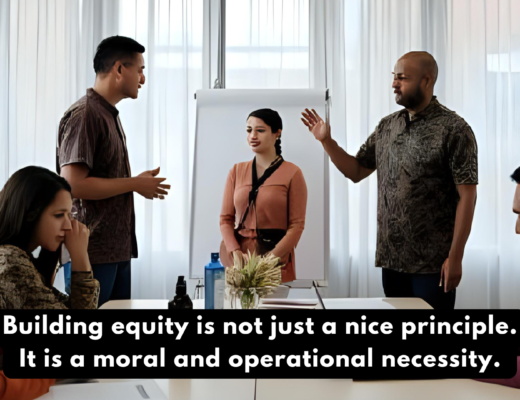
Indonesia is a complex, multicultural nation. With more than 1,300 recognized ethnic groups and deeply rooted social hierarchies, communication patterns are often shaped by rasa hormat—respect for elders and authority. In practice, this means junior staff rarely speak up in front of senior colleagues. Meetings can unfold with polite agreement on the surface, while concerns remain unspoken. Silence does not always mean consent; often, it reflects a cultural value of avoiding conflict and preserving harmony.
When global minority-world partners, who typically prefer open debate and direct feedback, engage with Indonesian colleagues, it’s easy to misinterpret quietness as lack of interest or capacity. But in reality, the team may simply be navigating culture, hierarchy, and emotional safety.
This is where the partnership principle of honouring difference becomes essential.
To honour difference means more than acknowledging cultural diversity. It requires intentionally creating space where different communication styles are valued, not corrected. It means recognizing that Indonesian partners may be uncomfortable with confrontational negotiation, or that women may speak less because social norms subtly teach them their voice carries less authority.
Honouring difference means accepting these realities without judgment and working with them, not against them.
In Indonesia, this can look like:
- Actively inviting quieter voices into the conversation without putting them on the spot.
- Scheduling smaller, informal discussions where juniors feel safer expressing opinions.
- Recognizing when silence signals hesitation rather than agreement.
- Avoiding Western-style debate formats that may create discomfort or embarrassment.
- Using culturally attuned facilitation to ensure gender and ethnic inclusivity.
When we create these conditions, difference stops being a challenge and becomes a source of richness—bringing new perspectives, diverse knowledge systems, and local wisdom that strengthen the partnership.
Honouring difference also requires humility. Western partners often assume their direct, individualistic communication style is the “professional” norm. But in Indonesia, professionalism is tied closely to relational harmony, respect for seniority, and carefulness in expression.
There is no single correct way to communicate. Instead, build bridges between cultural expectations. Help each partner understand the other’s norms—not to change them, but to create shared practices where everyone feels respected, heard, and included.
When differences are honoured, partnerships in Indonesia flourish. Trust grows, teams collaborate more deeply, and outcomes become more sustainable because they are built on relationships that respect local cultural realities.
Partnership begins with the willingness to see difference not as a problem, but as an asset.
The article is also published in LinkedIn: https://www.linkedin.com/pulse/honouring-difference-why-partnership-work-indonesia-desy-mutialim-6pgac