
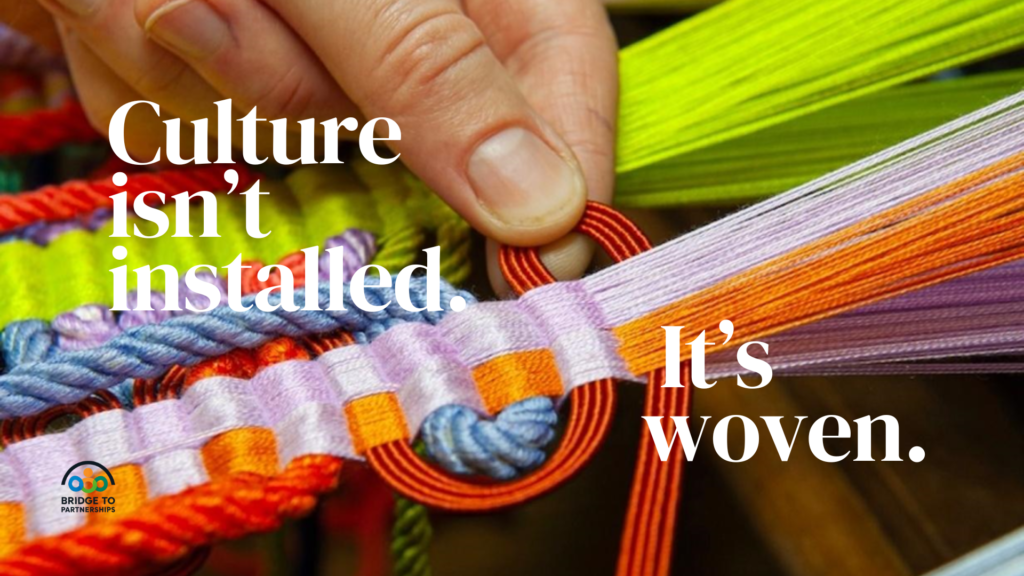
Many organisations talk about ‘driving culture’. But I wonder if simply being directed is enough.
Values can be articulated. Strategies can be designed. Behaviours may be encouraged. However, culture arises from something far less controllable: everyday interactions between people. For example, this can occur through conversations, interactions, and trust. This is through how much people feel heard and valued.
I used to work for an organisation where the bosses frequently asked their subordinates for input. They created spaces for all staff to share their thoughts, comments, expectations, and concerns. We held meetings that only managers and directors attended. However, we also had regular staff meetings where everybody – all staff – participated. In addition, we had casual, one-hour regular meetings – I used to call them ‘regular chats’ – every Friday, and all staff attended them voluntarily.
I also worked for an institution where the leader, vice leader, and manager all had different perspectives on the same issues. Yes, there were meetings, but they were limited to a specific group of people, and the meeting findings were not properly disseminated, although the workers needed to be informed.
The two organisations have different work cultures. In the first organisation, everyone expresses their thoughts, is actively involved in various organisational activities, and has good relationships with each other. In the second company, I found that employees were only concerned with executing their duties. They were sceptical because they had never been given the opportunity to express their ideas. The difference was never the number of meetings. It was about whether such talks actually encouraged involvement, developed trust, and allowed individuals to shape the organisation together.
Looking back, I see that the difference was more than just the organisational culture. It was also about internal partnership. The first organisation viewed employees as partners in pursuing a common goal, rather than as employees performing their jobs. Partnership does not begin when organisations make agreements with external stakeholders. It begins within the organisation, with how leaders, managers, and employees interact with one another. When internal partnerships are strong, collaboration feels natural rather than forced. Employees feel heard, trusted, and respected.
From the perspective of partnership brokering, this situation reminds me that asking individuals to work together does not produce partnership. It occurs when people feel comfortable enough to contribute, respected enough to differ, and linked enough to achieve a common goal. The purpose of a partnership broker is thus to establish conditions in which multiple perspectives can shape collective ownership, rather than to manufacture consensus. Those same conditions foster an organisational culture.





No Comments