The more I learn about partnership brokering, the more I realize how critical communication skills are in this work. When I first studied partnership brokering, I discovered that many communication skills I had been practicing for years are actually core skills of a partnership broker. No wonder I became deeply interested in this field.
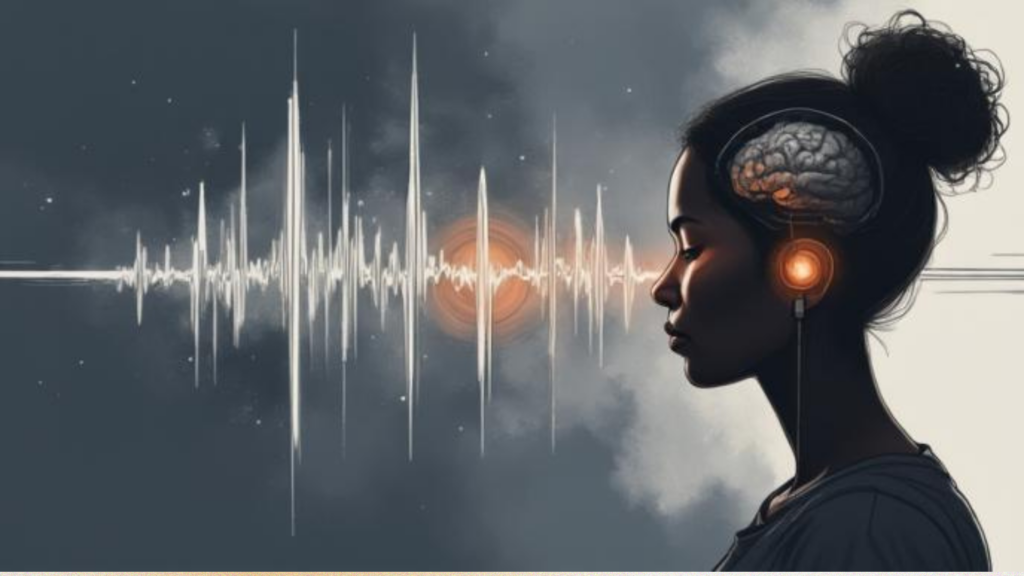
One key skill is active listening. It requires me to truly pay attention to what people are saying, to understand the meaning before responding, and—most importantly—to grasp the intention behind their words. It sounds simple, but in reality, it takes long-term practice to do it well.
The challenge becomes even greater when I am physically and mentally worn out, for example, after facilitating discussions for several days in a row. It gets harder when some participants do not express their thoughts clearly or directly but instead speak in circles. In moments like this, active listening demands extra patience.
Active listening becomes even more challenging—but interesting—when we work in communities that highly value politeness, harmony, and avoiding conflict. In such spaces, people may hesitate to disagree openly, avoid debate, or choose to stay silent out of respect or discomfort. Yet from my experience, silence often hides many thoughts: concerns, doubts, disagreements, or worries about others’ ideas. This situation often makes me ask myself: How can I truly understand what is in everyone’s mind and heart? I often smile at myself when I think about this question. For me, active listening is one of the most difficult—but also most fascinating—skills to master.
Early in my career as a partnership facilitator, my inability to hear what was not spoken often put me in difficult situations. I heard comments like, “You didn’t really understand what I meant,” or “What I said was actually a metaphor.” Aduh! “We may not speak clearly, but I am sure you can guess what we think.” What? How?
There were also participants who stayed completely silent, even though I knew they were highly respected and trusted by others. People were waiting for their voice. These individuals usually speak only when they feel it truly matters. They are not the ones who dominate discussions. On the other hand, there are participants who understand the technical realities of implementing partnerships very well but speak cautiously. Often, they wait for their superiors to speak first, especially if their boss is present. They want to make sure their opinions align with those above them.
The more I reflect, the more I realize how many small but important issues are tied to active listening. This becomes even more complex in discussions involving Indigenous or customary communities in Indonesia. In these settings, power dynamics are not defined by formal job titles. A high-ranking government official may speak less if someone with higher customary authority is present. I once facilitated a discussion where a bupati (similar to a mayor but for kabupaten) asked another participant, “What do you think, uncle?”—a man who, culturally, held higher status than the bupati himself. “I will just go along with whatever is good.”
From all this, I’ve learned one crucial lesson: a quiet person is not necessarily an unimportant person. They may actually be the most important person in the room—or they may not be. The real challenge is understanding the difference.
This is where active listening goes beyond hearing words. It requires understanding power dynamics, social structures, and unspoken signals. These factors shape how openly people speak, how rich the discussion becomes, and ultimately, the quality of the partnership we build.
So, how can I practice active listening more effectively? Here is what I am trying to do:
First, I need to be aware of—and acknowledge—power dynamics as early as possible. This includes both formal and informal hierarchies. From there, I adjust my facilitation style, especially in cultural or customary contexts. After each session, I ask myself: Who spoke the most? Who spoke the least? Whose voice might I have missed?
I know that listening beyond words is essential, but it is not always easy. I try to pay attention to tone, body language, silence, and hesitation. What is not being said can be just as important as what is said. Another thing I do is clearly state that different opinions are welcome. I reassure participants that disagreement is not conflict but contribution. I often need to say this more than once—gently, but firmly—so participants know that I truly mean it.
I also try to ask gentle questions, such as, “Would you like to add another perspective?” or “How does this idea feel from your experience?” or “Is there anything we might be overlooking?” To avoid misunderstandings, I often say, “Let me check if I understood you correctly…” I hope that by doing this, people feel that I am genuinely trying to understand them.
Finally, I try to slow down the discussion. Some people need time to think before speaking. They may also need time to feel comfortable in the space—to trust me as the facilitator and to trust the other participants—before they are ready to speak up.
Active listening is not about technique alone—it is about humility, curiosity, and respect, and it reminds me that meaningful partnerships begin with our willingness to truly listen.
This article is also published in LinkedIn: https://www.linkedin.com/pulse/active-listening-invisible-skill-makes-breaks-desy-mutialim-6w1vf





No Comments